Understanding Expiration Dates and Food Safety
Understand food labels and make safer, smarter food decisions.
If a food is past the expiration date, is it safe to eat? Here is a quick guide to help you better understand expiration dates, food quality, and food safety.
Scroll down to read guide (↓)
Understanding Expiration Dates
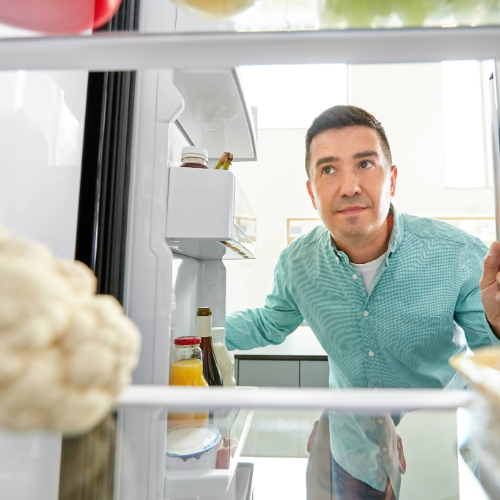
There is no standardized system for food dating in the United States. Approximately 40 states require dates on some perishable foods, such as meat and dairy.
According to the USDA Food Safety and Inspection Service (FSIS), food products may still be safe to consume past the date printed on the label if they have been stored properly.
To help reduce food waste, FSIS recommends evaluating the quality of food before deciding whether to eat it or throw it away.
The exception is infant formula. Federal law requires a date on all infant formulas for safety purposes, and those dates should always be followed.
Expiration dates may also be found on products such as baby food, yeast, and baking powder.
Common Food Shelf-Life Guide
Pantry and Shelf-Stable Foods
| Food Item | Approximate Shelf Life |
|---|---|
| Water, including sparkling and flavored | 2 years |
| Peanut butter | 2 years |
| Dried beans, rice, and pasta | 2 years |
| Ramen, soup, and broth | 2 years |
| Baking soda | 1 year |
| Cereal and breakfast items | 1 year |
| Healthy snacks, including crackers, nuts, and granola bars | 1 year |
| Condiments | 1 year |
| Drinks, not including water | 6 months |
| Potato chips, popcorn, and other snack foods | 6 months |
| Non-perishable canned foods | 5 years |
Refrigerated and Frozen Foods
| Food Item | Approximate Shelf Life |
|---|---|
| Refrigerated dairy, including milk | 2 weeks |
| Frozen dairy products | Up to 3 months |
| Processed refrigerated foods | 1 month |
| Frozen products | 1 year |
| Frozen bread and baked goods | 3 months |
Types of Dates
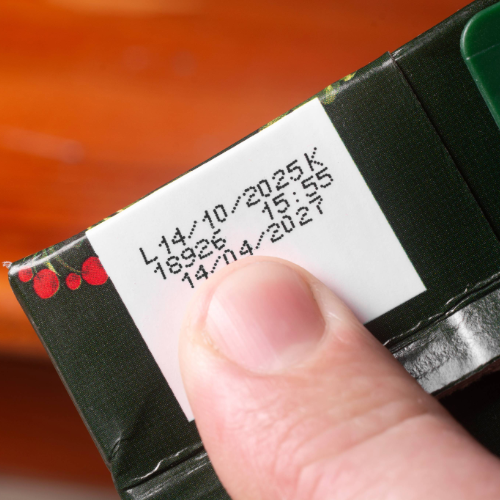
Understanding food date labels, such as “Best If Used By,” “Use By,” “Sell By,” and “Freeze By,” can help reduce unnecessary food waste and make grocery shopping less confusing. Most printed dates are intended to reflect food quality and freshness, not food safety. Learning what these labels mean can help consumers make informed decisions about storing, freezing, and using food at home.
Best If Used By/Before
This is a quality assurance date and serves as a suggestion for when the taste and quality of food are expected to be at their peak.
- It is not a purchase or safety date.
Use By
This is the suggested date by which food should be used for best quality.
- It is not a safety date, except when used on infant formula.
Sell By
This date is intended for retailers and helps determine how long a product should remain on store shelves.
- According to the Institute of Food Technologists, approximately one-third of a product’s shelf life may remain after the sell-by date for consumer use at home.
- It is not a safety date.
Freeze By
This date indicates when a product should be frozen to maintain peak quality.
- It is not a purchase or safety date.
How Long Are Foods Good After the Expiration Date?
According to the USDA Food Safety and Inspection Service:
“With the exception of infant formula, if the date on your food passes during home storage, a product should still be safe and wholesome if handled properly until spoilage is evident.”
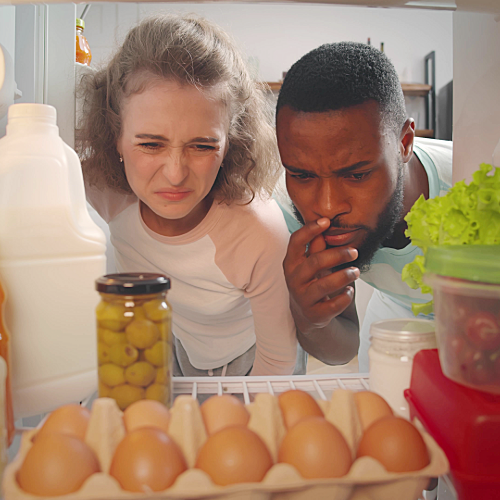
Consumers should check foods for signs of spoilage such as off odors, off flavors, or changes in texture.
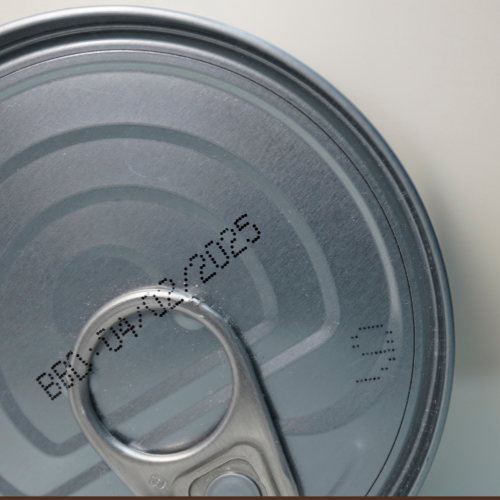
How Long Does Commercially Canned Food Last?
Commercially canned food can last a long time when stored properly.
According to the USDA:
Quality Tip: Store canned foods in a cool, dry location to help maintain quality.
- High-acid canned foods, such as tomatoes and citrus fruits, may keep for up to 1.5 years.
- Low-acid canned foods, including vegetables, meat, and fish, may last up to 5 years.
Quality Tip: Store canned foods in a cool, dry location to help maintain quality.
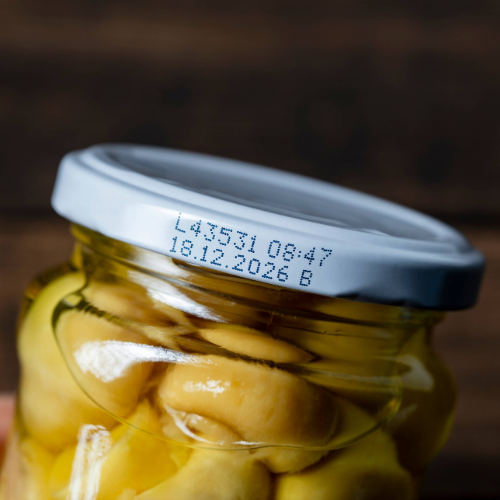
How Long Does Home-Canned Food Last?
According to the USDA, properly canned foods stored in a cool, dry place can retain optimum eating quality for at least one year.
According to the USDA:
- Foods stored near heat, indirect sunlight, or dampness may lose quality more quickly.
- Dampness may corrode cans or metal lids and cause leakage that can result in food spoilage.
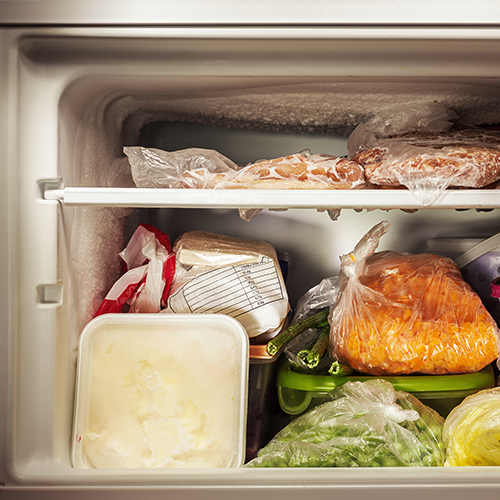
Signs Food May Be Spoiled
Food should not be eaten if spoilage is present, even if it is within the printed date range.
- Off odors
- Off flavors
- Changes in texture
- Mold growth
- Swollen or leaking packaging
- Corroded or damaged cans
Safety Tip: If you are unsure whether food is safe, it is best to throw it away.
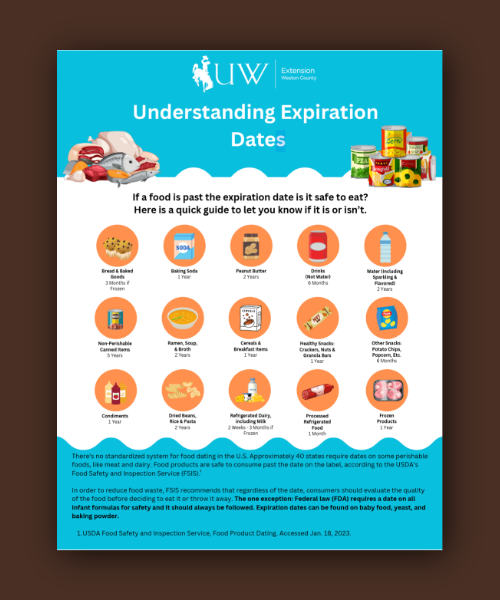
Download the Full Expiration Date Guide
Want a printable version of this resource? Download the full UW Extension guide for additional food safety and storage information.

The University of Wyoming is an equal opportunity/affirmative action institution.
© 2026